












.
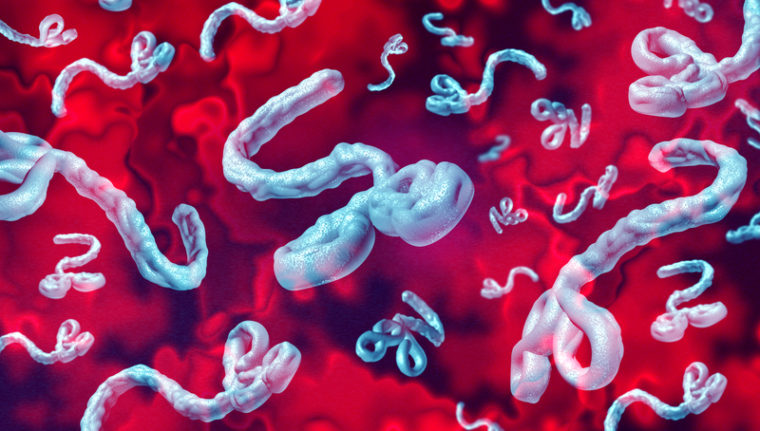
A fast-moving outbreak of the Ebola virus, caused by the deadly Bundibugyo strain for which there is no approved vaccine or targeted treatment, is increasingly hitting children in Central Africa’s Democratic Republic of the Congo (DRC), a beleaguered World Health Organization (WHO) reported.
This particular version of the disease is unique and alarming for children partly because many of them are malnourished and unvaccinated against preventable illness. Their extreme vulnerability to this rare virus is worsening the region’s humanitarian crisis compounded by relentless fighting between government forces and armed militia.
Meanwhile, the White House focus is on containing the disease in its current regions and protecting American citizens. It has imposed strict travel bans prohibiting entry for non-citizens and green card holders who have been to DRC, Uganda or South Sudan within the last three weeks. WHO advises against any restriction of travel and trade with the DRC or Uganda based on the currently available information. But American caution may be warranted since the new Ebola outbreak is spreading quickly.
“Every day, cases are being identified in new health zones. And that reflects the real scale of this outbreak, a scale that is much bigger than what is being detected” since it is driven by high population mobility in the region, said Olivier le Polain, head of epidemiology and analytics at WHO.
Infections are rising in the Ituri and South Kivu provinces across about 1,000 km. Cases have been reported in 34 health zones in those regions while new areas in North Kivu are also being infected. Since June 11, 2026, the DRC has confirmed 676 cases and 136 deaths while Uganda has reported 19 cases and two deaths.
On May 17, 2026, WHO officially declared it a Public Health Emergency of International Concern (PHEIC), which means that the event is extraordinary, presents a clear threat to other countries and cannot be managed by one nation alone.
Douglas Noble, Global Lead for Public Health Emergencies at the United Nations children’s agency (UNICEF) said the disease spreads among children through household transmissions when it infects adults. Past Ebola outbreaks in DRC have shown that children “made up a significant share of cases and an even greater share of deaths, with the youngest facing the highest fatality rates and many left orphaned or separated from caregivers”, he explained.
Worse, more than half of children under five in Ituri province are “chronically malnourished”. “What we now need are the resources and humanitarian access,” he urged.
The US is currently the largest financial contributor to the international Ebola response but it has drawn criticism for strictly tightening domestic border restrictions. It has provided $220 million in special funding paired with $350 million earmarked specifically for Ebola response and humanitarian relief out of a broader $1.8 billion package sent to the UN humanitarian relief agency (UN OCHA).
This funding supports UNICEF and other agencies that are combating the disease by financing necessary actions, e.g., purchasing 150 metric tons of water and hygiene supplies, operationalizing 100 regional health facilities and deploying over 100 border screeners.
The Bundibugyo virus strain of Ebola is spreading mainly through direct contact with the bodily fluids of infected individuals, contaminated medical settings, family caregiving networks who don’t know how to handle Ebola, and unsafe burial practices. Because there is currently no approved vaccine or specific therapeutic treatment for this particular strain, containing transmission relies on other public health interventions.
Patients are frequently misdiagnosed because early symptoms of Ebola, such as fever and fatigue, perfectly mimic common regional illnesses like malaria or typhoid. This has led to the accidental infection of doctors and nurses who may treat patients without the isolation protocols required for Ebola.
ID 457909830 | Ebola ©
Skypixel | Dreamstime.com