










The Trump administration is promoting policies whose goals are in conflict, regarding use of fossil fuels, the elimination of renewable energy sources and war with Iran. Iran alone produces 3.5 to 4.5 million barrels of oil daily, amounting to 3.5 to 4.5 percent of the world’s oil output. This does not sound like much, but with the utilization of oil so tight, Iran’s production is important in keeping oil prices low.
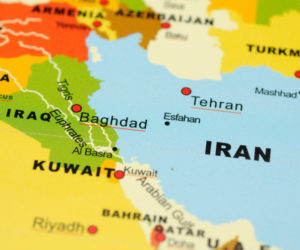
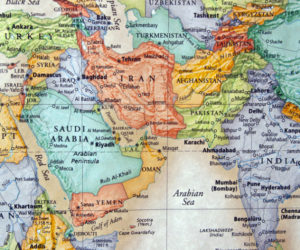
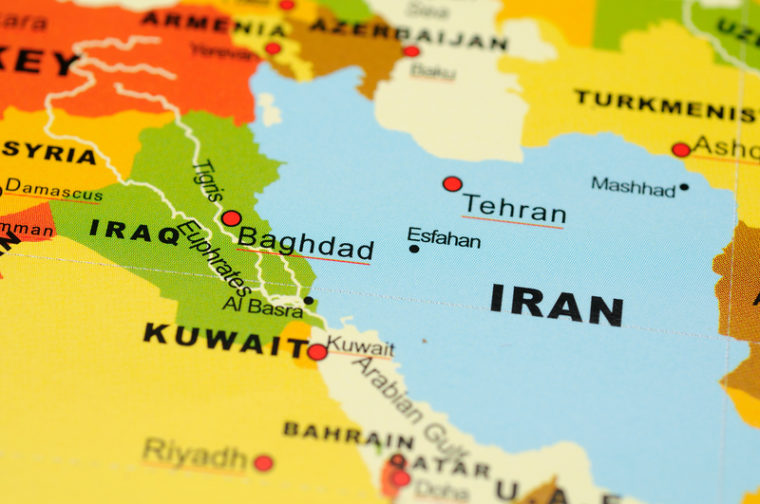
However, with the war in progress between Iran and the U.S. and Israel, Iran has forbidden the transit of ships through the Strait of Hormuz. This narrow passage connects the Persian Gulf with the Gulf of Oman and the Indian Ocean and is vital for transporting Middle Eastern Oil to Asian nations like China, India, South Korea and Japan. It is estimated that over 20 percent of the world’s oil output, 20 million barrels of oil and liquid natural gas daily, passes through the Strait of Hormuz. This is of vital importance to the world economy.
Given the narrowness of the Strait of Hormuz, ships can be easily attacked from the shore with missiles and drones which Iran has been using. Iran is located on one side of the Strait. They have also been mining the waters of the Strait, increasing the danger to ships. With passage of shipping through Hormuz blocked, the price of oil and natural gas has risen dramatically, with pressure on interest rates which have also increased significantly. The stock markets worldwide have also dropped dramatically.
Fertilizer produced in Saudi Arabia and Oman have also been blocked from reaching nations globally where farming is important. This will result in less food being harvested. The price of food will rise along with inflation, and adequate food may not be available for people in poor nations, leading to food insecurity and possible starvation. When the U.S. starting bombing Iran, the Trump administration had to know that prohibiting passage through the Strait by Iran was a distinct possibility. Yet no precautions were taken to prevent this from happening.
On a long-term basis, the answer to this vulnerability would be to end dependency on oil. The way to accomplish this would be to increase renewable energy sources so that Iran or any other oil producing nation could not hold us hostage. But Trump has done everything possible to end the availability of renewable energy in the United States and increase our dependency on fossil fuels. Some of his biggest financial supporters have been fossil fuel titans, which may or may not have influenced him. But energy from windmills, solar energy and electric vehicles have been denigrated by Trump, who has made it difficult for these industries to survive in the U.S. China is the world’s leader in electric vehicles and renewable energy, while we are lagging behind.
If the U.S. is to free itself from the effects of fossil fuels on the world economy, we must develop our electric vehicle output and generate as much renewable energy as possible. We may never catch up with China, but at least we will cut our dependence on Iran and Middle Eastern nations. We already produce enough fossil fuels for ourselves but need to cut down our use of these fuels because of climate change and the dependency of foreign nations, especially the latter’s effect on the world economy.
www.robertlevinebooks.com

Political junkie, Vietnam vet, neurologist- three books on aging and dementia. Book on health care reform in 2009- Shock Therapy for the American Health Care System. Book on the need for a centrist third party- Resurrecting Democracy- A Citizen’s Call for a Centrist Third Party published in 2011. Aging Wisely, published in August 2014 by Rowman and Littlefield. Latest book- The Uninformed Voter published May 2020