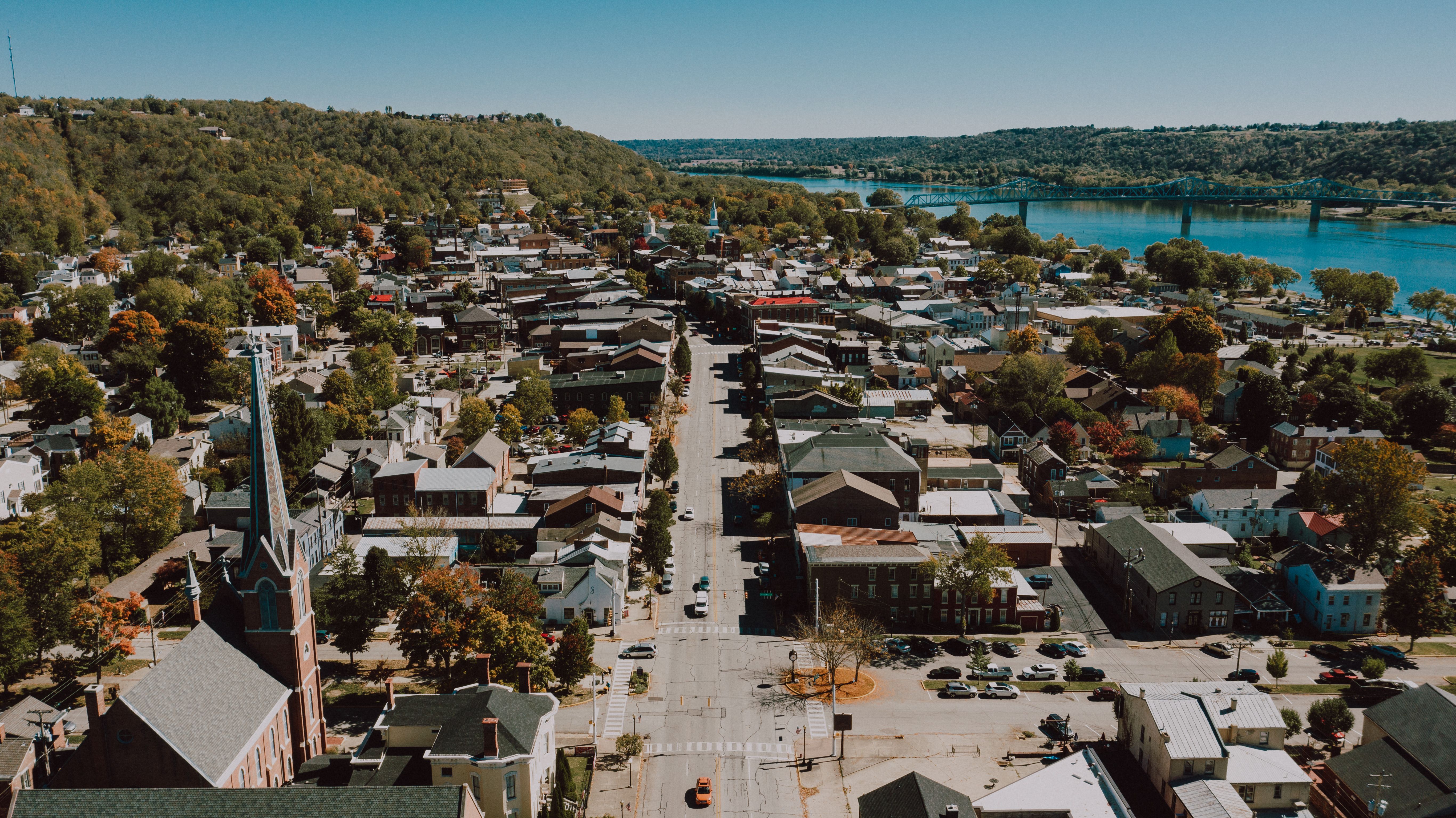















When the pandemic sent millions of knowledge workers home, many of them decided to stay home, just in a different city. Since 2020, nearly 4.9 million Americans have moved because of their remote jobs, according to JK Moving’s analysis of relocation data. The places absorbing most of that movement were not other major metros. They were mid-sized and smaller cities — places that had spent decades watching young professionals leave. Now those same cities are discovering that sudden growth comes with serious complications. Remote work migration, it turns out, is not just a win for the places that receive it.

A New Migration Pattern
Remote work migration is the large-scale movement of employees who, freed from office requirements, relocate to cities and regions where cost of living is lower, amenities are attractive, or family is closer. It differs from traditional labor migration because the move does not follow the job: the job follows the person.
The receiving cities have names that were once shorthand for affordable, livable, and manageable: Boise, Chattanooga, Asheville, Bend, Flagstaff. In the space of a few years, many of them became something else entirely.
What Is Driving People Out of Big Cities?
High costs are the primary push factor. Manhattan and San Francisco each lost close to 10 percent of their 25–54 age population between 2020 and 2021, according to U.S. Census data. That is not just demographic drift: it is a structural shift in where productive workers choose to live. Alongside economic forces, longer-term environmental pressures are reinforcing this trend: coastal and heat-exposed metros are losing residents to more temperate inland alternatives. Workers are not just leaving because it is cheaper elsewhere. They are also leaving because some large cities are becoming harder to stay in.
California’s Complicated Pull
California sits in an unusual position in this migration story. It has been one of the largest “sending” states, losing residents to Texas, Nevada, Arizona, and beyond, while simultaneously drawing new arrivals from elsewhere, particularly into tech-heavy corridors in the Bay Area, Los Angeles, and San Diego. The state’s labor market remains one of the deepest and most lucrative in the country, especially for remote-capable, high-income roles.
What Happens When the Moving Logistics Hit?
For many workers, the idea of moving to California is appealing right up until the paperwork starts. Sorting through shipping quotes, lease timelines, and state tax implications can feel manageable in the abstract; in practice, it often triggers a mini panic attack during a match of competing costs and deadlines, which is why people planning on relocating here for work tend to benefit from a structured guide before committing. Getting the logistics wrong in California, where deposits are high and lease terms are strict, can cost more than just money.
The state is still a destination, but the calculus has become more complicated. California added fewer workers overall between 2020 and 2023 than it had in comparable prior periods, even as certain sectors: technology, healthcare, and entertainment, continued to expand.
What Smaller Cities Are Gaining
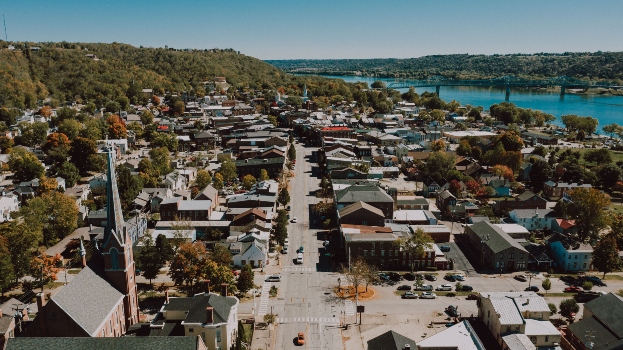
The cities receiving remote workers have seen genuine economic gains. Tax revenues have grown. Restaurants and retail have expanded. Property values have risen. In some cases, long-stagnant downtowns have come back to life. Chattanooga, Tennessee, which invested early in gigabit internet infrastructure, became an early poster city for this transition, attracting digital professionals and young families who brought income and spending with them.
Is the Local Workforce Keeping Up?
The gains have not been evenly distributed. The local workers who staffed these cities before the migration wave, teachers, healthcare workers, service employees, and municipal workers, often earn wages tied to local pay scales that have not kept pace with the new cost of living. Flexible, platform-mediated work has expanded in these cities, but it has not replaced the stability and benefits that anchor middle-income households. The arrival of high earners lifts average incomes on paper. It does not automatically raise the floor.
The Housing Pressure Problem
Housing is where the pressure shows up most clearly and most quickly. When remote workers with San Francisco salaries start competing in the Boise or Asheville rental market, they do not experience local prices as unaffordable: they experience them as a bargain. For the people who already live there, the result is rapid rent increases that can displace long-term residents within a single lease cycle.
Research from the Federal Reserve Bank of San Francisco found that remote work was responsible for more than 60 percent of total housing price growth between 2019 and 2021. Smaller cities with limited housing stock and slow permitting processes were especially vulnerable to this dynamic.
What Can Cities Do?
The honest answer is: not very much, quickly. Zoning reform, accelerated permitting, and public investment in affordable units are all effective over years, not months. Housing pressure in one city is not a local story: it connects to regional and national failures to build enough supply. Cities that received large remote-worker influxes without those tools in place are still working through the consequences.
The Balancing Act Smaller Cities Face
Remote work migration has genuinely revitalized places that needed revitalization. But it has also surfaced a tension that does not resolve itself on its own: growth driven by workers whose wages were set elsewhere tends to reshape a city for those workers, not for the people already there. The Economic Report of the President 2025, in its detailed chapter on how remote work is reshaping the economy, identifies the geographic redistribution of the workforce as one of the most significant labor market shifts of the post-pandemic period, one whose full effects on smaller communities are still unfolding.

Adjusting to Remote Work Migration
If you live in or lead one of these cities, the question worth asking is not whether remote work migration was good or bad. It is whether your community has the tools to channel the growth toward outcomes that work for everyone already there. That is a policy question, a zoning question, and an investment question, and the time to start answering it is well before the next migration wave arrives.
References:
https://www.govinfo.gov/content/pkg/ERP-2025/pdf/ERP-2025-chapter2.pdf
https://www.jkmoving.com/blog/residential-moving/remote-work-redefining-moving
https://www.frbsf.org/research-and-insights/publications/economic-letter/2022/09/remote-work-and-housing-demand/
Images:
https://images.pexels.com/photos/5649560/pexels-photo-5649560.jpeg?
https://images.pexels.com/photos/6894221/pexels-photo-6894221.jpeg?
https://images.pexels.com/photos/23224700/pexels-photo-23224700.jpeg?
https://images.pexels.com/photos/5847761/pexels-photo-5847761.jpeg?