

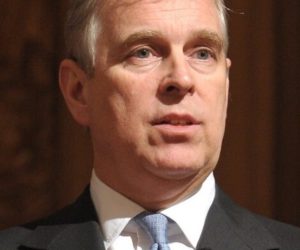
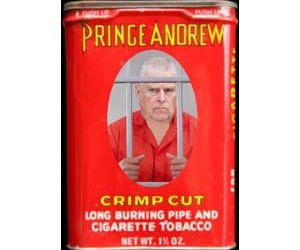





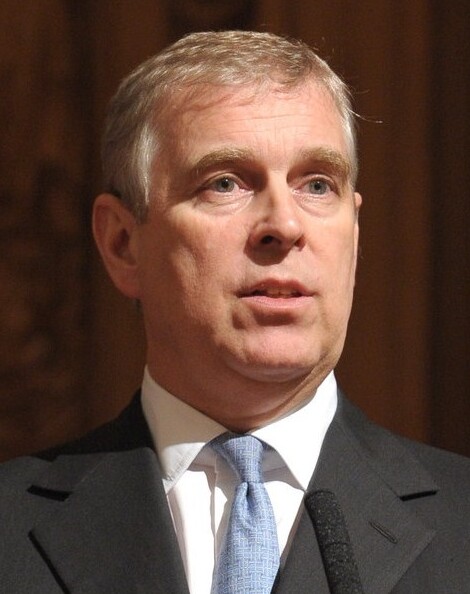
The growing scandal about convicted sex offender Jeffrey Epstein has led to the arrest of Andrew Mountbatten-Windsor, aka Prince Andrew. The grounds: suspicion of misconduct in public office. He now joins an ever lengthening list of officials and businessmen disgraced by ties and/or suspected activities with Epstein, who died in jail in what officials deemed a suicide, a characterization some are now challenging.
King Charles III said this after the arrest: “What now follows is the full, fair and proper process by which this issue is investigated in the appropriate manner and by the appropriate authorities..In this, as I have said before, they have our full and wholehearted support and cooperation.”
Below is a verified international roundup showing how the Epstein fallout has spread globally.
GLOBAL FALLOUT FROM THE EPSTEIN SCANDAL
Countries Taking Legal or Political Action
The Epstein investigations have evolved from a U.S. criminal case into a multi-country political and legal event. The latest release of millions of documents (“Epstein files”) has triggered investigations, resignations and criminal probes throughout the world.
United Kingdom
Key figure
Allegations
Action Taken
United States
Status: Core criminal prosecutions
Key Figures
Allegations
Norway
Status: Criminal charges and investigations
Key figures
Allegations
Action Taken
France
Status: Prosecutorial investigation
Key figure
Allegations
Action Taken
Slovakia
Status: Political fallout/resignation pressure
Allegations
Action Taken
Sweden & No Scandinavia (Broader Regional Review)
Status: Government reviews and ethics inquiries
According to European reporting, there is widening scrutiny of politicians, diplomats and business elites across northern Europe due to document releases.
Approximate Count
Based on confirmed reporting and documented probes:
At least six countries have taken concrete action:
1, United States
2. United Kingdom
3. Norway
4. France
5. Slovakia
6. Sweden/broader Scandinavian reviews
More countries may follow as additional Epstein files are analyzed.
Types of Accusations Emerging Internationally
1. Sex-trafficking participation or abuse allegations.
2. Corruption/Influence trading
3. Misuse of public office
4. Association-based investigations
6. Cover-ups
Timeline: How the Epstein Scandal Became a Global Crisis
2005–First Florida Investigation: Palm Beach police begin investigating Jeffrey Epstein after reports of underage sexual abuse.
2008–Controversial Plea Deal: Epstein pleads guilty to state prostitution charges in Florida, serving minimal jail time– a deal later widely criticized.
2019–Federal Arrest: Epstein is arrested by U.S. federal authorities on sex-trafficking charges involving minors.
August 2019–Epstein dies in jail: Epstein dies in a New York federal detention facility while awaiting trial, official ruled a suicide.
2021-2022–Maxwell Convicted:Ghislaine Maxwell is convicted in U.S. Federal court for recruiting and grooming underage victims.
2023-2025–Civil Settlements and Document Releases:Court filings, depositions and previously sealed records begin identifying powerful figures connected socially or financially to Epstein.
2026: International Fallout Expands: European governments open investigations. British authorities arrest Prince Andrew, marking the first major royal-level criminal action linked to the scandal.
Who’s Who in the Epstein Network
Jeffrey Epstein: Financer at the center of the scandal, accused of operating an international sex-trafficking network involving underage girls and powerful associates.
Ghislaine Maxwell: British socialite and Epstein associate, convicted of helping recruit victims and facilitating abuse.
Prince Andrew: Former senior member of Britain’s royal family. Long criticized for his association with Epstein and now under criminal investigation in the United Kingdom.
Political figures and Diplomats (Various Counties): Multiple politicians, diplomats and business leaders worldwide have faced investigations, ethics probes, or corruption allegations after appearing in Epstein-related documents.
Wealthy Business and Celebrity Associates: Many individuals named in released files deny wrongdoing; appearance in documents does not necessarily imply criminal conduct–a key legal distinction emphasized by courts and investigators.
Why the Epstein Case Keeps Growing
The Epstein scandal differs from most criminal cases because the alleged crimes intersected with elite global networks–politics, finance, academia, royalty and entertainment.
Four factors continue driving new investigations:
1. International Reach: Epstein maintained residences and contacts across multiple countries, creating overlapping legal jurisdictions.
2. Newly Unsealed Records: Court-ordered releases of documents have provided investigators worldwide with new leads years after Epstein’s death.
3. Institutional Accountability Questions: The case increasingly focuses not only on alleged abuse but also on whether powerful institutions ignored warning signs or protected influential figures.
4. 21st Century Media: Gone are the days when information would take a while to circulate. New developments related to anything in the Epstein case instantaneously circulate throughout the world on social media platforms, broadcast news, cable news and mainstream media. Within seconds everyone knows the latest and media has a vested interest in learning more and more and being first with news.
The result: what began as a U.S. criminal prosecution has evolved into a transnational accountability story still unfolding.
In the old days, when a public figure got caught doing something unseemly, he’d do the decent thing: deny it, blame a staffer, and then disappear into “private life” funded by whatever corporation needed a fellow who knows where the bodies are buried.
Today they don’t even bother disappearing.
They hold a press conference and tell you they’re “shocked.” Shocked! As if they just wandered into the wrong cocktail party, saw something unpleasant, and said “My heavens–are those underage girls and a billionaire hobbyist with a black book?”
That’s the part that always kills me about the Epstein saga. It’s not that powerful people did what powerful people have always done when they think nobody can tough them. It’s the synchronized amnesia afterward.
They all sing the same tune.
“I met him once.”
“Twice, maybe.”
“Okay, a few times but only at respectable gatherings.”
“Sure, there are photos, but you take photos with everybody.”
“And yes, there was a place, but it was strictly for the canapes.”
If you believe than I have a bridge to sell you. It’s very exclusive. The toll is paid in hush money and “charitable contributions,” and the view is spectacular–right over Accountability Creek, which, for certain people, is supposed to be un-crossable.
What makes it international now is that the scandal is doing what scandals rarely do: it keeps ignoring the class system. It doesn’t politely stop at the border or bow at the palace gate. It just keeps lumbering along like an ugly truth with bad manners, knocking on doors that were designed not to be answered.
And every time the story reaches another high perch–another title, another office, another crest stamped on expensive stationary–you can practically hear the same complaint rise up from the well-upholstered seats.
“Really? Us?”
Yes. YOU.
Because the Epstein case has become a kind of global audit, and the invoice is addressed to everyone who thought “I barely knew him” was a legal doctrine instead of a punchline.l
So if you’re looking for the moral of the story, it’s this: for years, the world’s movers and shakers kept treating Epstein like a VIP lounge.
Now it’s starting to look more like a waiting room.
And that, if nothing else, is progress–slow, reluctant, and arriving with a lot of people suddenly claiming they’ve never been there before.
Turns out the guest list wasn’t confidential at all.

Joe Gandelman is a former fulltime journalist who freelanced in India, Spain, Bangladesh and Cypress writing for publications such as the Christian Science Monitor and Newsweek. He also did radio reports from Madrid for NPR’s All Things Considered. He has worked on two U.S. newspapers and quit the news biz in 1990 to go into entertainment. He also has written for The Week and several online publications, did a column for Cagle Cartoons Syndicate and has appeared on CNN.