












If you hear something rumbling, it’s the sound of Theodore Roosevelt turning over in his grave.
And Abraham Lincoln. And Benjamin Harrison. And Franklin D. Roosevelt. And Richard Nixon. And Jimmy Carter. Barack Obama and Joe Biden aren’t dead yet, but if they were, they’d be turning over in their graves.
They are among the presidents who worked hard to protect the environment, forests, oceans, air, endangered species, national parks and wildlife refuges. All that is threatened by Donald Trump, who is waging war not only on the environment, but on more than a century of presidential conservation.
For most of American history, conservation was one of the few issues that crossed party lines.
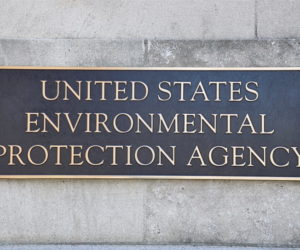
Republican Teddy Roosevelt set aside millions of acres of public land, created national forests and wildlife refuges, and believed the nation’s national treasurer belonged not just to his generation, but to generations yet unborn. Richard Nixon, another Republican, signed legislations creating the Environmental Protection Agency, the Clean Air Act, and other landmark environmental laws.
Benjamin Harrison expanded protection for forest lands, Jimmy Carter emphasized conservation and renewable energy, Barak Obama and Joe Biden expanded protections for public lands and clean-energy.
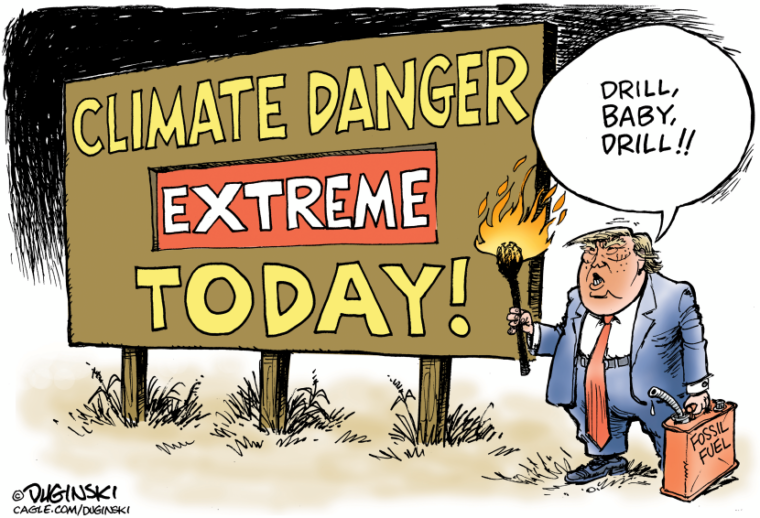
Trump’s approach has been dramatically different. His administration has emphasized expanding drilling, mining, logging, and fossil fuel production while targeting a slew of environmental regulations. Supporters argue these policies reduce energy costs, create jobs, and free businesses from excessive government regulation.
To supporters, these are long-overdue corrections to excessive regulation. Critics counter that the long-term costs — to clean air, clean water, wildlife habitat and the climate — far outweigh short-term gains. To critics, they amount to the most aggressive rollback of federal environmental protections in modern America history.
This debate is perfectly legitimate. Americans can disagree about how much regulation is OK or how quickly the nation should shift to cleaner sources of energy. But it’s far harder to explain why protecting national treasures has become a political target.
This conflict has become one of the fiercest environmental battles in decades.
The Trump administration has sought to expand oil and gas drilling on federal lands, increase logging in some public forests, reduce or eliminate protections for certain habitats and endangered species, scale back climate-related regulations, and accelerate permits for energy and development projects.
Environmental organizations, conservation groups, tribes, and a number of states have responded with a steady stream of lawsuits, arguing many of those actions violate environmental laws or ignore scientific findings. In some cases the administration prevailed. In others, courts have blocked or delayed its plans. The result is an extraordinary legal and political tug-of-war over who will decide the future of America’s public lands and national heritage.
National Parks don’t belong to Republicans or Democrats, and wildlife refuges don’t vote. Forests don’t contribute to political campaigns. The Grand Canyon, Yellowstone, Yosemite and countless other public lands belong to all Americans, including generations who haven’t even been born yet.
Perhaps that’s why Roosevelt’s words still resonate more than a century later. He argued America’s resources should be used wisely — not exploited recklessly — and preserve whenever possible. He understood conservation wasn’t about preventing progress. It was about making sure progress didn’t destroy the very things that make America worth living in.
Every president has a legacy. Some build highways. Some appoint Supreme Court justices. Some champion science and space exploration. Some reshape the economy. Others preserve mountains, rivers, forests, and wildlife so future Americans can enjoy them as we do today.
If history ultimately remembers Donald Trump as the president who declared war on that legacy, the rumbling from those presidential graves may only grow louder.
Copyright 2026 Joe Gandelman, distributed exclusively by Cagle Cartoons newspaper syndicate.

Joe Gandelman is a former fulltime journalist who freelanced in India, Spain, Bangladesh and Cypress writing for publications such as the Christian Science Monitor and Newsweek. He also did radio reports from Madrid for NPR’s All Things Considered. He has worked on two U.S. newspapers and quit the news biz in 1990 to go into entertainment. He also has written for The Week and several online publications, writes a column for Cagle Cartoons Syndicate and has appeared on CNN.