
















Renato Brunetta, an Italian politician, recently drew attention for criticizing adult “children” still living at home. He even attempted, unsuccessfully, to pass a law banning people from living at home past the age of eighteen. While the legislation failed, the sentiment he represents is part of a growing global trend. In the United States, a similar social bias has been emerging. This article will label this phenomenon Home-A-Phobia.
Since the recession, more adults have remained in the family home. Media coverage often casts this in a negative light. The New York Times ran a piece titled “What is it about Twenty-Somethings?” Commentators such as Chris Matthews and Dennis Miller have mocked adults living at home, framing it as “failure to launch.” Former Vice Presidential candidate Paul Ryan suggested college graduates should not spend their twenties in childhood bedrooms.
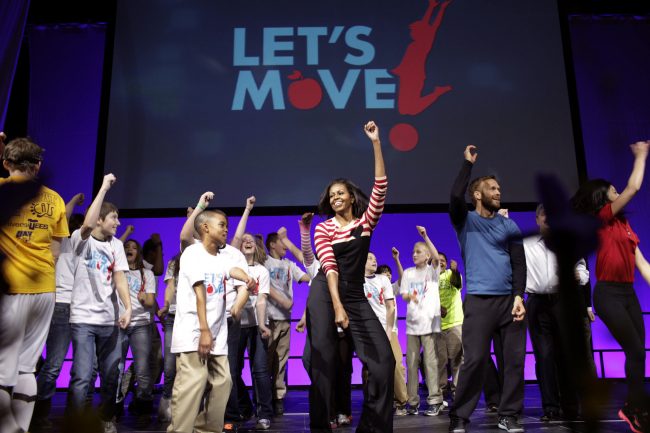
Home-A-Phobia mirrors other attempts by politicians to influence private life. In the 2000s, President Bush and religious conservatives tried to control relationships through proposed laws on gay marriage and sodomy. In 2010, Michelle Obama launched the “Let’s Move” campaign, which, while promoting healthier lifestyles, also reinforced assumptions that obesity is self-inflicted and justified government intervention. Policies such as the Child Nutrition Act restricted bake sales, while Mayor Bloomberg attempted soda bans.
The pattern is clear: politicians have increasingly weighed in on how people eat, drink, learn, and even love. Could Brunetta’s idea spread? This may sound far-fetched. However, ten years ago, if someone suggested that politicians would try to control what the public ate or drank, it would have seemed equally unlikely. One politician has already done so—who’s to say more won’t follow? Politicians are trying to influence who can sleep with whom, what people can eat or drink, and what children study. Is trying to influence where people live really any different?
Many young adults have returned home due to economic pressures, and opinions on this trend are split. One twenty-something interviewed about the potential for U.S. politicians to act against adult children living at home said, “Oh, people will try. It’s political suicide, but that doesn’t mean they won’t try.”
UPDATE: A new article by PEW Research.Org reveals over a third of Americans say young adults living with their parents has a negative impact on society. Home-A-Phobia remains prevalent in society.